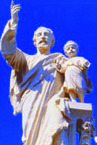

 Aimer Saint Joseph

Cela commence comme ceci :

01 Élyashib, le grand prêtre, ainsi que ses frères les prêtres, se mirent donc à reconstruire la porte des Brebis (Eliashib the high priest and his fellow priests went to work and rebuilt the Sheep Gate).


La bible de Jérusalem met l'intertitre : "Les volontaires à la reconstruction". En anglais : Builders of the wall, ce qui est moins significatif. Le chapitre 3, en effet, nomme expressément tous ceux qui ont rebâti Jérusalem sous Néhémie. Ils sont cités par corporation, et la dernière citée est celle qui m'intéresse aujourd'hui :

31 Après lui travailla Malkiya, l’orfèvre, jusqu’à la maison des servants et des marchands, en face de la porte de la Revue, jusqu’à la chambre haute de l’angle.
32 Entre la chambre haute de l’angle et la porte des Brebis travaillèrent les orfèvres et les marchands. (31 Next to him, Malkijah, one of the goldsmiths, made repairs as far as the house of the temple servants and the merchants, opposite the Inspection Gate, and as far as the room above the corner; 32 and between the room above the corner and the Sheep Gate the goldsmiths and merchants made repairs.)
Construire, c'est contagieux

Quand on reconstruit, tout le monde travaille ensemble : dans tout le chapitre revient le refrain : " à la suite", "après eux", avec eux". Ciselé justement comme un travail d'orfèvre, le texte utilise cette charnière pour montrer à la fois la solidité de la chaîne de reconstruction et la façon dont l'esprit, la mentalité de bâtisseur se répand. Construire, c'est contagieux!
Cependant, dans nos entreprises et nos élans, nous pouvons rencontrer des obstacles, comme au temps de Néhémie, et ce sera le chapitre 4.
L'essentiel, c'est que le mouvement, l'impulsion créative, soient en marche.
Pour autant, la créativité demande aussi une certaine dose d'humilité face aux circonstances qui peuvent de loin nous dépasser. Tout mouvement créatif, surtout sous l'impulsion divine, finit par éclater au grand jour en montrant sa pérennité, et ceci même quand les apparences et le temps sont contraires.
Alma Pihl, une illustration d'un élan créatif quasi divin au coeur de la guerre
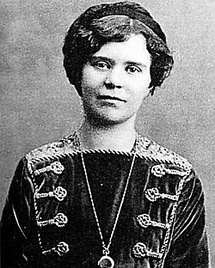
Je voudrais illustrer cela avec la vie d'Alma Pihl. Cette jeune femme était un des designer les plus illustres de Fabergé. Elle dessina l'oeuf de Fabergé le plus cher au monde pour le Tsar. Elle créa un design merveilleux, appelé encore "winter design" et qui illustre parfaitement l'inspiration art nouveau issu d ela nature et de l'observation. Alma cherchait une idée pour Fabergé, et en voyant la buée transformée en cristaux sur sa vitre, elle trouva dans la nature une source infinie de beauté. On sait aujuord'hui scientifiquement que chaque flocon possède dans la nature un design unique, signe discret du grand Designer... Alma en fit des bijoux sublimes.
Elle touchait à la gloire et à la notoriété. Puis ce fut brutalement la révolution. Et après l'assassinat des Romanof, Alma se réfugia en Finlande. Elle se maria, et enseigna les arts et le dessin pendant 25 ans. Elle ne révéla jamais sa gloire passée : à cette époque, le KGB envoyait facilement des tueurs un peu partout. Mais elle obtint à mes yeux une autre gloire : ses élèves, à qui elle transmit selon les témoignages, un sens inégalé de la créativité et de la beauté.
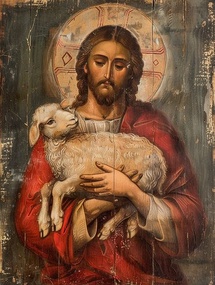
Aujourd'hui, l'oeuf d'hiver qu'elle a créé est un des objets d'art les plus cher au monde. Ce qui est valorisé ici, c'est la créativité humaine à l'ère révolutionnaire de l'IA, le travail de l'orfèvre, la résilience d'une des oeuvres les plus fragiles qui soit et qui a échappé à la destruction. Le savoir-faire humain, la beauté artistique, la créativité d'une femme inspirée, la bataille pour la survie malgré la guerre de l'orfèvre comme de son oeuvre, l'humilité et la patience dans le temps : tous ces éléments rapproche Alma (son nom prédestiné signifie âme en latin!) de Néhémie, des orfèvres qui rebâtirent une portion des remparts, et de Joseph de Nazareth. Joseph veilla sur Jésus et figurez-vous, ils passèrent certainement par la Porte des Brebis ou bien son emplacement connu. Ce n'est pas pour rien que Jésus dira en Jean, 10, 7 : "Je suis la Porte des Brebis"! Un Juif qui avait lu le livre de Néhémie entant alors le sens caché et prophétique du livre...
Et pour chacun de nous, c'est aussi un encouragement à la persévérance créative!
AC
English version :
"Eliashib the high priest and his fellow priests went to work and rebuilt the Sheep Gate" (Nh 1)
The Jerusalem Bible uses the subheading: ‘The volunteers for the reconstruction’. In English: ‘Builders of the wall’, which is less meaningful. Chapter 3, in fact, specifically names all those who rebuilt Jerusalem under Nehemiah. They are listed by guild, and the last one mentioned is the one that interests me today:
31 Next to him, Malkijah, one of the goldsmiths, made repairs as far as the house of the temple servants and the merchants, opposite the Inspection Gate, and as far as the room above the corner; 32 and between the room above the corner and the Sheep Gate the goldsmiths and merchants made repairs.
During reconstruction, everyone works together: throughout the chapter, the refrain recurs: ‘in their wake’, ‘after them’, ‘with them’. Crafted with the precision of a goldsmith, the text uses this recurring theme to demonstrate both the strength of the reconstruction process and the way in which the spirit and mindset of a builder spreads. Building is contagious!
However, in our endeavours and initiatives, we may encounter obstacles, just as in Nehemiah’s time, and this will be the subject of Chapter 4.
the essential thing is that the process, the creative impulse, is underway.
However, creativity also requires a certain measure of humility in the face of circumstances that may far exceed our control. Any creative movement, especially one driven by divine inspiration, eventually comes to light, demonstrating its enduring nature, even when appearances and the passage of time suggest the opposite.
Alma Pihl: an example of an almost divine creative impulse in the midst of war
I would like to illustrate this with the life of Alma Pihl. This young woman was one of Fabergé’s most illustrious designers. She designed the world’s most expensive Fabergé egg for the Tsar. She created a marvellous design, still known as the ‘winter design’, which perfectly illustrates the Art Nouveau inspiration drawn from nature and observation. Alma was searching for an idea for Fabergé, and while watching the condensation on her window pane transform into crystals, she found in nature an infinite source of beauty. We now know scientifically that every snowflake in nature has a unique design, a subtle sign of the great Designer… Alma turned them into sublime pieces of jewellery.
She was on the verge of fame and renown. Then, suddenly, the revolution struck. And following the assassination of the Romanovs, Alma sought refuge in Finland. She married and taught art and drawing for 25 years. She never revealed her past glory: in those days, the KGB had the power to send assassins almost anywhere. But in my eyes, she achieved another kind of glory: her pupils, to whom – according to witnesses – she passed on an unrivalled sense of creativity and beauty.
She was on the verge of fame and renown. Then, suddenly, the revolution struck. And following the assassination of the Romanovs, Alma sought refuge in Finland. She married and taught art and drawing for 25 years. She never revealed her past glory: in those days, the KGB had the power to send assassins almost anywhere. But in my eyes, she achieved another kind of glory: her pupils, to whom – according to witnesses – she passed on an unrivalled sense of creativity and beauty.
The winter egg she created is one of the most priceless art objects in the world nowadays. What is underlined here today is human creativity in the edge of the revolutionnary AI era, the goldsmith’s craftsmanship, and the resilience of one of the most fragile works of art imaginable, which has escaped destruction. Human craftsmanship, artistic beauty, the creativity of an inspired woman, the battle for survival – despite the war – waged by both the jewellery maker and her creation, and humility and patience over time: all these elements draw Alma (whose predestined name means ‘soul’ in Latin!) closer to Nehemiah, to the goldsmiths who rebuilt a section of the city walls, and to Joseph of Nazareth. Joseph watched over Jesus, and just imagine – they certainly passed through the Door of the Sheep or its known location. It is no coincidence that Jesus said in John 10:7: ‘I am the Door of the Sheep’! A Jew familiar with the Book of Nehemiah would have understood the book’s hidden and prophetic meaning…
And for each of us, it is also an encouragement to creative perseverance!
AC
And for each of us, it is also an encouragement to creative perseverance!
AC
 "Levons-nous et construisons" : le modèle créatif de Néhémie ("Let's stand up and build!" English version below)
